Emotional Differences in Sports
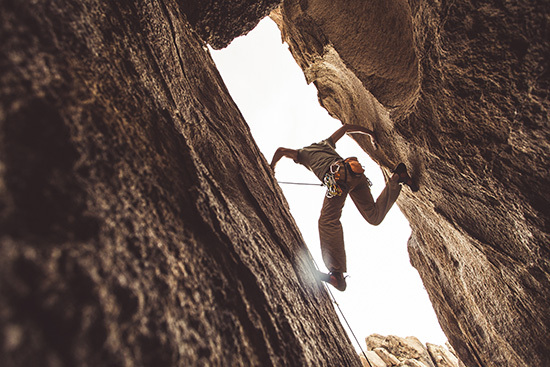
Luca and Clara are two young athletes training at the High Performance Technification Center in Cáceres, Spain. Luca, 22, grew up in a bustling urban environment, while Clara, 20, came from a quiet rural town. Both are passionate about mountain sports: rock climbing, trail running, and alpine skiing.
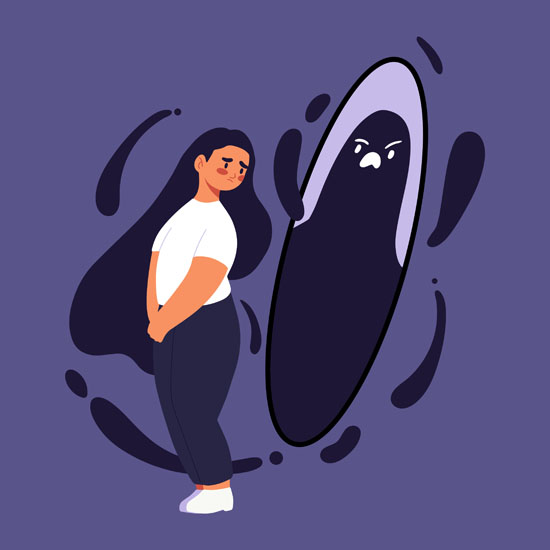
Despite their shared love for nature and competition, their emotional experiences differ. Clara often reflects deeply on her setbacks, sometimes blaming herself when things go wrong. Luca, on the other hand, tends to shift focus quickly, thinking about more pleasant things to stay motivated.
Their coach, intrigued by their contrasting emotional styles, introduces them to a psychological study exploring how emotional regulation and demographic factors influence athletes' quality of life. Luca and Clara agree to participate, completing the following surveys:
- Cognitive Emotion Regulation Questionnaire (CERQ): Likert scale survey that assesses nine cognitive strategies, grouped into adaptive and maladaptive categories
- World Health Organization Quality of Life – Brief Version (WHOQOL-BREF): Likert scale survey that assesses physical health, psychological health, social relationships, and environment
After completing the CERQ and WHOQOL-BREF surveys, Luca and Clara sat down with their coach to review the results. What they discovered gave them new insight into how their thoughts and environments shaped their well-being.