Does Culture Shape How We Age Mentally?


Chapter 8: Lifespan Development

Learning Outcomes

  • Describe the major stages of psychosocial development across the lifespan
  • Identify factors that influence cognitive aging and cultural variation
  • Evaluate the role of sociocultural context in shaping mental health outcomes

Key Terms

cognitive development
domain of lifespan development that examines learning, attention, memory, language, thinking, reasoning, and creativity

A Tale of Two Grandmothers

Saanvi grew up in a bustling city in India, where her grandmother, Amma, was the emotional center of the household. Amma, now 78, still led family rituals, gave advice on everything from cooking to conflict resolution, and was often consulted before major decisions.
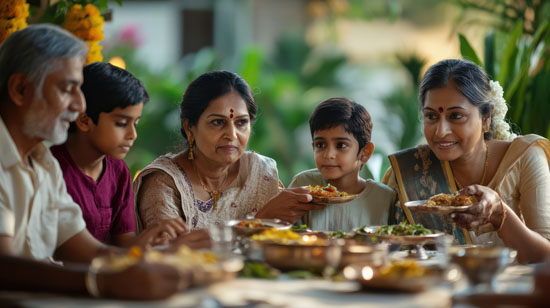
A multigenerational Indian family gathered around the dinner table

Meanwhile, across the globe in suburban Ohio, Saanvi's college roommate, Aaron, spoke of his grandmother, Ruth, with affection but also concern. Ruth, 80, lived alone and had recently begun forgetting names and misplacing items. "She's not the same anymore," Aaron said. "She used to be so sharp."
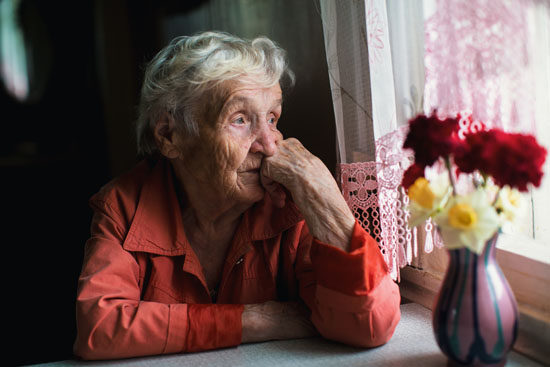
An older person looks sadly out the window

Saanvi noticed the contrast. Amma's memory seemed intact, and her role in the family hadn't diminished. Ruth, on the other hand, appeared to be experiencing cognitive decline and social isolation.

This difference sparked Saanvi's curiosity. Does culture shape how we age mentally?

1. On Your Own

Which phrase best describes crystallized intelligence? Select the best answer.

Culture and Cognition

Research suggests that cultural context plays a significant role in cognitive development and aging. In collectivist cultures, older adults often retain meaningful social roles, which may buffer against cognitive decline. In contrast, individualistic cultures may emphasize independence, sometimes leading to isolation in later life.

A study that Saanvi found highlighted how family functioning and cultural expectations influence identity and mental health across the lifespan. It showed that strong intergenerational bonds and cultural practices can support cognitive resilience, even in older age.

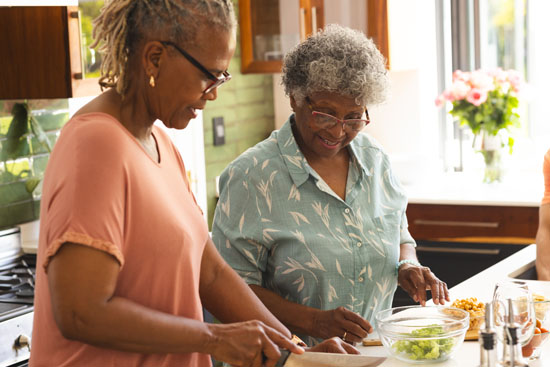
A younger woman and an older woman cooking together

Fluid intelligence, which is the ability to solve novel problems, may decline with age, but crystallized intelligence often remains stable or improves, especially when older adults are engaged in mentally stimulating and socially valued roles.

2. On Your Own

Determine whether the following statement is true or false.

In collectivist cultures, older adults often retain meaningful social roles that support cognitive health.

Saanvi's Insight

Saanvi began to see her grandmother's mental sharpness not just as a personal trait but as a product of her environment. Amma was surrounded by family, involved in daily decisions, and respected for her wisdom.

Aaron, meanwhile, encouraged his family to reconnect with Ruth. They began visiting more often, involving her in family discussions, and even asked her to share stories from her youth.

"I think she's smiling more," Aaron said. "And she remembers things better when we talk about the past."

Saanvi and Aaron's experiences reflect how culture, social roles, and family dynamics can shape the aging process, not just physically but mentally and emotionally.

3. On Your Own

What factors influence cognitive aging? Select the three that apply.

Explore the Concept

This video reviews the culture of aging and how elders are treated in First Nations and Indigenous tribes in North America.

Reflect & Respond

Answer the following questions to reflect on key ideas from the case study. Remember to print your work before leaving this page!

  1. How do cultural values influence the roles of older adults in society?
  2. What is the difference between fluid and crystallized intelligence?
  3. How can family dynamics support cognitive health in aging?
  4. What role does storytelling or sharing memories play in maintaining cognitive function and emotional connection in older adults?
  5. Reflect on your own cultural background. How does it shape your view of aging and mental health?

References

Alzola, P., Carnero, C., Bermejo-Pareja, F., Sánchez-Benavides, G., Peña-Casanova, J., Puertas-Martín, V., Fernández-Calvo, B., & Contador, I. (2024). Neuropsychological assessment for early detection and diagnosis of dementia: Current knowledge and new insights. Journal of Clinical Medicine, 13(12), Article 3442. https://doi.org/10.3390/jcm13123442
This is an open-access article distributed under the terms of the Creative Commons Attribution 4.0 International License (CC-BY 4.0).

Stories For Caregivers. (2023, June 22). Aging by design: Aging in first nations (DESCRIBED VIDEO) [Video]. YouTube. https://youtu.be/VQB0lbfyqXU?si=iJcIRicrhC9sWhbH

Photo Credits

Johannes on Adobe Stock. "Portrait of Indian family of three generations eating meals together at home looking at camera."

De Visu on Adobe Stock. "Elderly woman looks sadly out the window."

wavebreak3 on Adobe Stock. "Senior African American woman and senior biracial woman are cooking together."