The Ethics of Memory Modification


Chapter 7: Memory

Learning Outcomes

  • Analyze the neurological and psychological mechanisms involved in memory modification
  • Evaluate ethical dilemmas related to altering autobiographical memory
  • Apply theories of memory reconstruction and emotional regulation to clinical decision-making

Key Terms

false memory syndrome
recall of false autobiographical memories
flashbulb memory
exceptionally clear recollection of an important event
reconstruction
process of bringing up old memories that might be distorted by new information
suggestibility
effect of misinformation from external sources that leads to the creation of false memories
A Memory Reconsidered

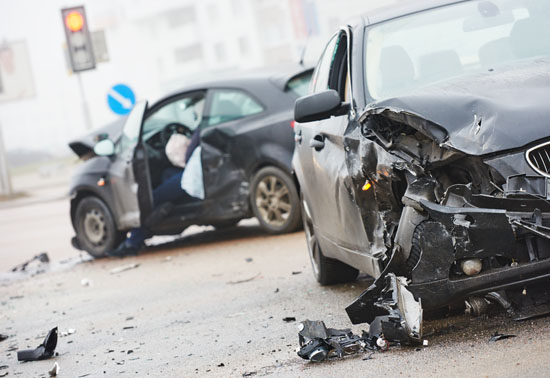
Mira had never intended to revisit the accident. It had been 3 years since the crash, but the memory remained vivid: the screech of tires, the metallic crunch, the moment their body braced for impact. It was not just the event itself but the cascade of consequences that followed, like guilt, anxiety, fractured relationships. Therapy had helped but only to a point. The memory still surfaced uninvited, often during sleep, sometimes in moments of quiet.

A picture of a car crash

When Mira learned about a clinical trial offering memory modification, they hesitated. The procedure was experimental, targeting emotional intensity during memory retrieval. It involved pharmacological agents administered during reconsolidation, a phase when memories become temporarily malleable. The goal was not to erase the memory but to reduce its emotional weight.

Mira met with Dr. Sayegh, a neuroethicist overseeing the trial. The conversation was not about science alone: It was about identity, autonomy, and the ethics of forgetting. Dr. Sayegh asked Mira to consider what it meant to alter a memory that had shaped their worldview. Would they still be the same person without the emotional imprint of that experience?

1. On Your Own

Which viewpoint supports the idea that modifying painful memories can be beneficial? Select the best answer.

The Science of Selective Memory

The procedure relied on disrupting the reconsolidation process, which is a window of time after retrieval when memories are re-stored and potentially reshaped. Mira's memory of the crash was a classic example of a flashbulb memory, encoded with high emotional arousal and repeatedly retrieved over time. Each retrieval had reinforced its vividness, making it resistant to fading.

A picture of several light bulbs, with one lit

Dr. Sayegh explained that memory is not a static archive. It is dynamic, subject to reconstruction and influence. Suggestibility plays a role, especially when external narratives or emotional states interfere with the original encoding. False memory syndrome, though rare, illustrates how easily autobiographical memories can be distorted.

Mira asked whether modifying the memory would affect their ability to learn from the experience. Dr. Sayegh acknowledged the tension: Reducing emotional distress might improve mental health, but it could also diminish the motivational force of the memory. Ethical concerns included the potential for misuse, altering memories for convenience, coercion, or manipulation.

2. On Your Own

If a school proposed using memory modification to reduce trauma from bullying, which ethical concern would be most relevant? Select the best answer.

Explore the Concept

Check out this video to learn more about the effect of stress on memory.

What Mira Chose

Mira returned to the clinic 2 weeks later. They had spent time journaling, speaking with friends, and revisiting the memory intentionally. The decision was not easy. Mira had come to understand that the memory was not just a source of pain; it was also a source of insight. It had shaped how they approached risk, how they supported others in crisis, and how they understood their own resilience.

Still, the emotional toll was real. Mira opted to proceed with the trial but with a clear boundary: They wanted to retain the memory's factual content while reducing its emotional sting. The procedure was brief. Mira described the accident aloud while the clinician administered the treatment. The memory was retrieved and then re-stored under altered emotional conditions.

Weeks later, Mira noticed a shift. The memory was still there, but it no longer triggered panic. It felt like a chapter in a book: important but no longer overwhelming. Mira wondered whether the change had made them less authentic or simply more free.

A typewriter with a page that reads 'New chapter'

3. On Your Own

You are a clinical psychologist working with a client who has experienced a traumatic event. They ask about memory modification to reduce emotional distress. Use the following decision tree to explore your ethical options.

Step 1: Assess the Client's Motivation

Step 2: Evaluate the Memory's Role in Identity

Step 3: Consider the Risks

Step 4: Make a Recommendation

Based on your path through the decision tree, what ethical principles guided your recommendation? How would you communicate this to the client? Remember to print your work before leaving this page!

Memory and Identity

Mira's journey illustrates the delicate interplay between memory and identity. While the emotional weight of trauma can hinder well-being, it also contributes to personal insight, empathy, and resilience. The science of reconsolidation opens doors to healing, but it also raises profound ethical questions: Who are we without our pain? Can we selectively forget without losing something essential?

Ultimately, Mira's choice reflects a nuanced middle ground, preserving the factual memory while softening its emotional sting. This decision honors both the need for psychological relief and the value of lived experience. As memory science evolves, so must our understanding of what it means to remember, to heal, and to remain whole.

Reflect & Respond

Answer the following questions to reflect on key ideas from the case study. Remember to print your work before leaving this page!

  1. How do psychological theories of memory support or challenge the idea of modifying emotional memories?
  2. What role should informed consent play in procedures that alter memory?
  3. In what ways might memory modification reshape how society views trauma, recovery, and personal responsibility?
  4. How can clinicians balance empathy with ethical caution when offering memory-altering interventions?

References

Leuenberger, M. (2022). Memory modification and authenticity: A narrative approach. Neuroethics, 15, Article 10. https://doi.org/10.1007/s12152-022-09489-9
This is an open-access article distributed under the terms of the Creative Commons Attribution 4.0 International License (CC-BY 4.0).

TED-Ed. (2018, September 4). Does stress affect your memory? - Elizabeth Cox [Video]. YouTube. https://youtu.be/hyg7lcU4g8E?si=4fg6SacGdUwXH1KN

Photo Credits

Kadmy on Adobe Stock. "car crash collision in urban street."

BazziBa on Adobe Stock. "idea concept image."

WINDCOLORS on Adobe Stock. "New chapter text."