Thinking About Advertising
Lena, a psychology major interning at a food startup, was tasked with designing packaging for a new line of sparkling water. She thought it would be a simple design project until her supervisor handed her a research article and said, "Read this. It'll change how you think about color and shape."
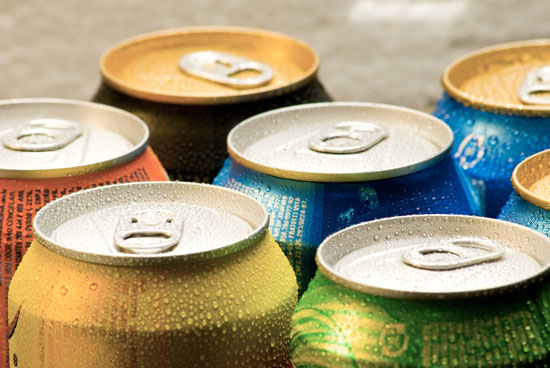
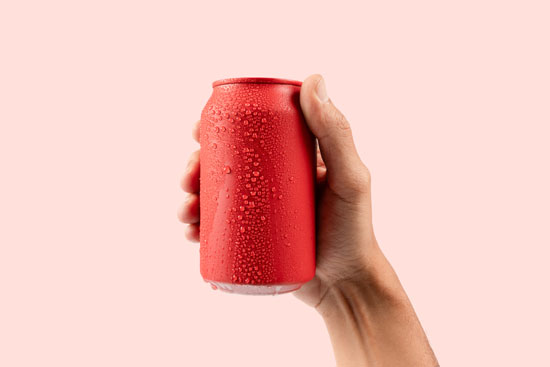
The article explained how consumers often associate colors and shapes with specific tastes and qualities. For example, red and round shapes are linked to sweetness, while angular shapes and dark colors suggest bitterness or strength. Even the orientation of stripes, such as vertical versus horizontal, can influence whether a product is perceived as luxurious or casual.
Lena decided to test this. She created two mock packages: one with vertical red-and-white stripes, another with horizontal blue-and-white stripes. She showed them to a focus group and asked what they expected the drink to taste like. The focus group's ability to distinguish between the two packaging designs relied on pattern perception, as they interpreted differences in color, shape, and stripe orientation to form expectations.
The results were striking. The red-striped version was seen as bold and intense; some even guessed it was spicy. The blue-striped version was described as refreshing, light, and "probably healthy." Their expectations about taste and quality were shaped by a perceptual hypothesis, as they made educated guesses based on visual cues without actually sampling the product.
Lena realized that packaging wasn't just about aesthetics; it was a form of psychological communication.