Is Mindfulness a Better Path to Mental Performance?


Chapter 3: States of Consciousness

Learning Outcomes

  • Describe how meditation and stimulant drugs affect attention and brain activity
  • Identify the differences between natural and pharmacological methods of enhancing focus
  • Evaluate the potential benefits and risks of using stimulants versus practicing mindfulness

Key Terms

alpha wave
type of relatively low frequency, relatively high amplitude brain wave that becomes synchronized; characteristic of the beginning of stage 1 sleep
meditation
clearing the mind in order to achieve a state of relaxed awareness and focus
stimulant
drug that tends to increase overall levels of neural activity; includes caffeine, nicotine, amphetamines, and cocaine

The Focus Experiment

Jian, a 19-year-old psychology major, was struggling to stay focused during long study sessions. With finals approaching, Jian noticed that some classmates were using prescription stimulants to stay alert, even if they didn't have a medical diagnosis. Curious but cautious, Jian decided to explore other options first.

A picture of a student sitting at a desk and studying with a hand on their head

A professor had mentioned mindfulness meditation in class, so Jian gave it a try. At first, it felt strange to sit still and focus on breathing. But after a few sessions, Jian noticed feeling calmer and more focused. Tasks felt less overwhelming, and distractions were easier to ignore.

Still wondering about the difference between meditation and stimulants, Jian found a research article comparing the two. The study used an electroencephalogram (EEG) to measure brain activity in people who practiced meditation and those who took methylphenidate, a common stimulant. Both groups showed improved attention but in different ways. Meditation increased activity in brain regions linked to self-regulation, while stimulants boosted dopamine and sped up reaction time.

Jian realized that both methods could enhance focus, but they worked through different biological pathways. Meditation strengthened cognitive control gradually, while stimulants produced faster, more intense effects.

Explore the Concept

Learn how stimulant drugs affect brain activity and behavior in this short educational video.

1. On Your Own

Which of the following statements reflect current scientific understanding of meditation and stimulant use? Select the two that apply.

Behind the Brain Boost

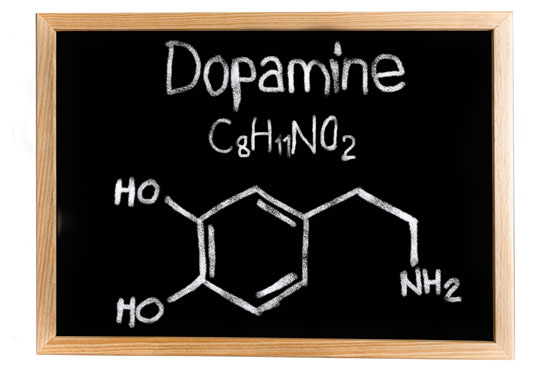
Chalkboard with 'Dopamine', its chemical formula C8H11NO2, and a hand-drawn structural diagram of the molecule

The study Jian read showed that both meditation and stimulants can improve attention, but they activate different systems in the brain. Meditation increases alpha wave activity and strengthens the prefrontal cortex, which helps with focus and emotional regulation. Stimulants, on the other hand, increase dopamine and activate reward pathways, which can lead to faster thinking but also impulsivity.

Researchers caution that while stimulants may offer short-term benefits, they can also cause side effects like anxiety, sleep problems, and dependence. Meditation, though slower to show results, has fewer risks and may support long-term mental health.

Jian began to see focus, not just as a chemical reaction, but as a skill that could be trained through practice and awareness.

2. On Your Own

Which statement best reflects the role of meditation and stimulants in attention and brain function? Select the best answer.

The Mindful Shift

Jian continued practicing meditation throughout finals week. While it didn't offer instant results, it helped reduce stress and improve concentration over time. Jian also chose to avoid stimulants without a prescription, feeling more confident in a natural approach to mental performance.

"I used to think I needed something external to stay focused," Jian said. "Now I know I can train my brain to work with me, not against me."

Reflect & Respond

Answer the following questions to reflect on key ideas from the case study. Remember to print your work before leaving this page!

  1. How do meditation and stimulants affect different brain systems?
  2. Why might one method be more sustainable than the other?
  3. How can understanding the brain help us build healthier study habits?
  4. How did Jian's understanding of focus and attention evolve through their exploration of meditation and stimulants, and what does this suggest about the role of personal agency in cognitive enhancement?
  5. What ethical and psychological considerations might influence a student's decision to use prescription stimulants without a diagnosis, and how do these compare to the motivations behind choosing mindfulness practices?

References

Geng, L., Wang, J., Cheng, L., Zhang, B., & Shen, H. (2019). Mindful learning improves positive feelings of cancer patients' family caregivers. International Journal of Environmental Research and Public Health, 16(2), Article 248. https://doi.org/10.3390/ijerph16020248
This is an open-access article distributed under the terms of the Creative Commons Attribution 4.0 International License (CC-BY 4.0).

TED-Ed. (2017, June 29). How do drugs affect the brain? - Sara Garofalo [Video]. YouTube. https://youtu.be/8qK0hxuXOC8?si=5UPcmIbbg9KZ4hqv

Photo Credits

Huyn on Adobe Stock. "Young Asian student struggles with homework at a desk during evening hours while using a laptop."

digicomphoto on Adobe Stock. "Blackboard with the chemical formula of dopamine."