The Party Conversation
Imani, a 19-year-old college student, was attending a weekend party with friends. The music was loud, the lights were low, and the atmosphere was relaxed. While chatting in the kitchen, Imani overheard a conversation about "microdosing" psychedelics to improve creativity and mood. Someone else mentioned using stimulants to stay focused during finals.
Imani didn't join in, but the comments stuck. In psychology class, they had just started learning about altered states of consciousness. Imani wondered: What do these substances actually do to the brain? Are they safe? Are the effects as positive as people claim?

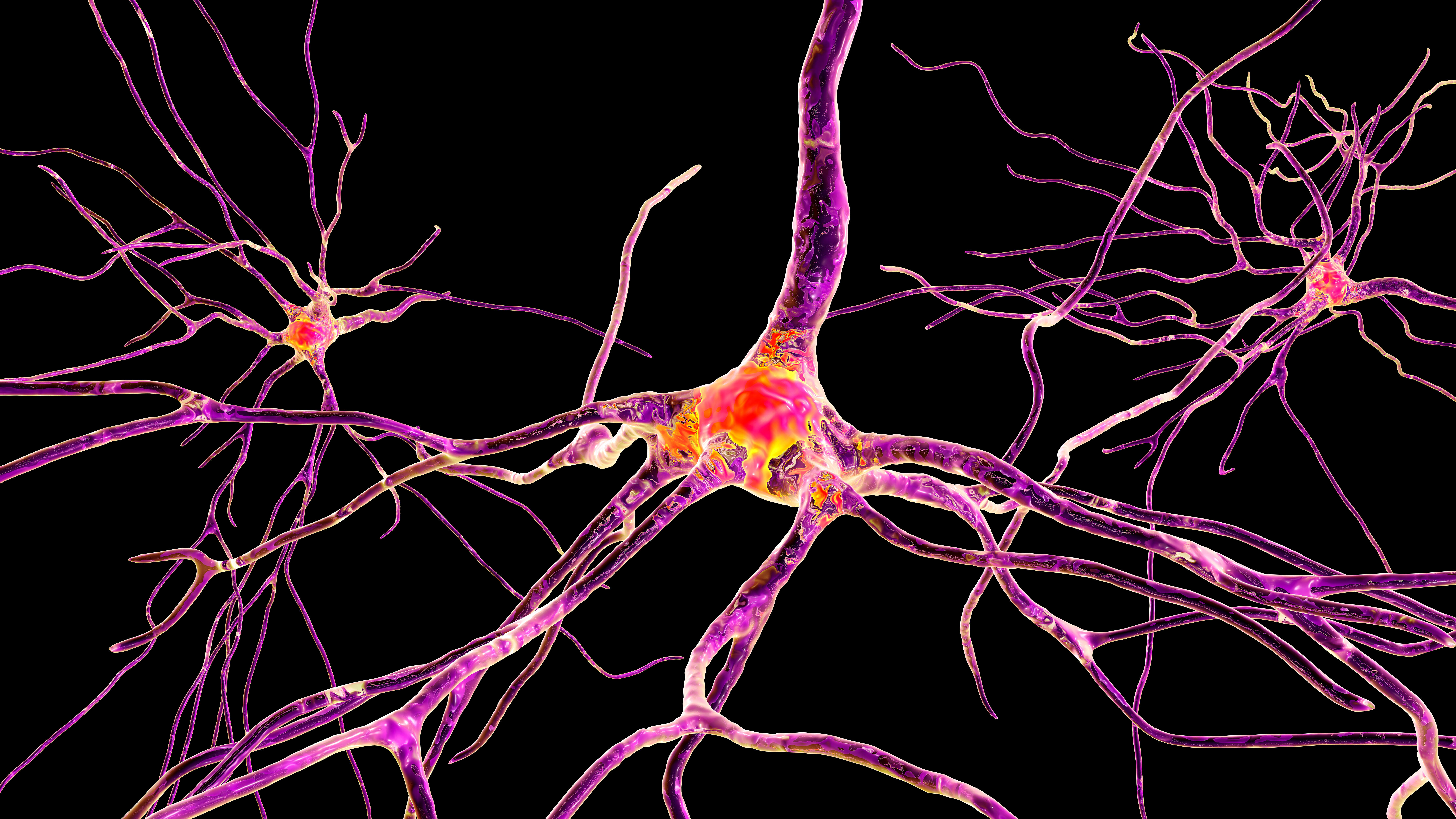
Later that week, Imani read a research article comparing the effects of different psychoactive substances. The study explained how stimulants like amphetamines increase dopamine and norepinephrine, temporarily boosting alertness and energy. Depressants, such as alcohol, slow down brain activity, impairing coordination and judgment. Hallucinogens affect serotonin pathways, altering perception and sometimes triggering anxiety or confusion.
The article emphasized that while some substances may produce short-term changes in mood or cognition, they also carry risks, especially when used without medical supervision. Repeated use can lead to tolerance, dependence, and long-term changes in brain function.