The Fog That Wouldn't Lift
Matias, a 19-year-old college student, had always been a high achiever. But during the second semester, something shifted. Classes felt overwhelming, and activities that once brought joy, like music, sports, or spending time with friends, no longer felt meaningful. Even getting out of bed became a struggle. "It's like my brain just shut down," Matias told the campus counselor.

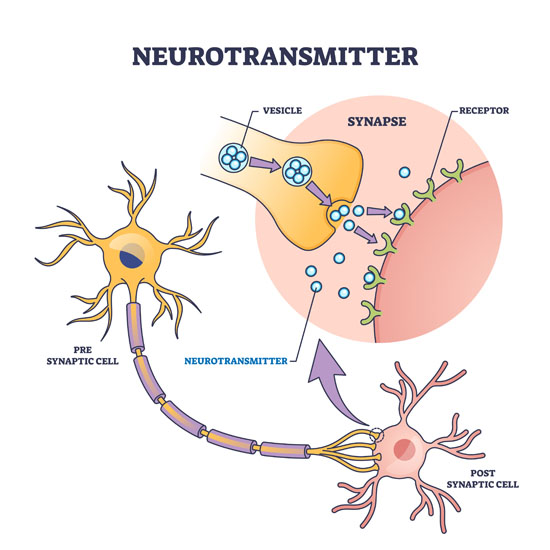
After a screening, Matias received a diagnosis of major depressive disorder. The counselor explained that depression isn't just about feeling sad; it can also involve changes in brain chemistry, particularly in neurotransmitters like serotonin and dopamine. Matias was referred to a psychiatrist for further evaluation and was later prescribed a selective serotonin reuptake inhibitor (SSRI).
Still, Matias had questions. "If this is just a chemical imbalance, why didn't it show up on a test? And what if the medication doesn't work?" Curiosity led Matias to join a research study on depression and brain imaging. The study used positron emission tomography (PET) scans to examine neurotransmitter activity in people with and without mood disorders.
During the study, Matias learned that while low serotonin levels are often linked to depression, the science isn't that simple. Some people with depression have normal serotonin levels. Others respond better to therapy than to medication. Researchers now believe that depression may also involve inflammation, stress hormones, and reduced neuroplasticity.
Matias began to see the condition not as a personal failure or a simple chemical glitch, but as a complex interaction between biology, environment, and experience.