When the Diagnosis Isn't Clear


Chapter 15: Psychological Disorders

Learning Outcomes

  • Describe the symptoms and diagnostic criteria for mood disorders
  • Identify the challenges clinicians face when diagnosing overlapping or evolving symptoms
  • Evaluate the importance of comprehensive assessment and differential diagnosis

Key Terms

bipolar disorder
mood disorder characterized by mood states that vacillate between depression and mania
major depressive disorder
commonly referred to as depression or major depression, characterized by sadness or loss of pleasure in usual activities, as well as other symptoms
manic episode
period in which an individual experiences mania, characterized by extremely cheerful and euphoric mood, excessive talkativeness, irritability, increased activity levels, and other symptoms
mood disorder
one of a group of disorders characterized by severe disturbances in mood and emotions; the categories of mood disorders listed in the DSM-5 are bipolar and related disorders and depressive disorders

More Than Just a Low Mood

Erez, a junior in college, had always been known for his energy and ambition. He juggled a double major, led a student organization, and rarely missed a deadline. But during the spring semester, something changed.

He began sleeping through classes, withdrawing from friends, and losing interest in everything he once enjoyed. "I feel like I'm underwater," he told the campus therapist. "I can't focus. I don't care about anything anymore."

After an initial screening, Erez was diagnosed with major depressive disorder. He started therapy and was prescribed an antidepressant. For a few weeks, things improved. But then Erez's mood shifted dramatically. He stayed up all night working on a new business idea, spent hundreds of dollars on equipment, and spoke rapidly about plans to drop out and launch a startup.

A person sitting in front of multiple computer screens with drinks and snacks all around

His therapist grew concerned. "This might be more than depression," she remarked. Erez's symptoms started to include an elevated mood, impulsivity, and grandiosity: hallmarks of a manic or hypomanic episode.

Erez underwent a more comprehensive evaluation, and his diagnosis was revised to bipolar II disorder. The therapist explained that mood disorders can evolve over time, and initial symptoms may not reveal the full picture. "It's not uncommon for someone to be treated for depression before signs of mania emerge," she said.

Erez felt confused. "So, I wasn't misdiagnosed?"

"Not exactly," she replied. "Your symptoms changed. That's why ongoing assessment is so important."

With a new treatment plan, including mood stabilizers and psychoeducation, Erez began to understand his condition more fully. He learned to track his mood shifts, recognize early warning signs, and build a support system.

Explore the Concept

Check out this video to learn how clinicians differentiate between depression and bipolar disorder.

1. On Your Own

What is a diagnostic challenge in mood disorders? Select the best answer.

When Symptoms Shift

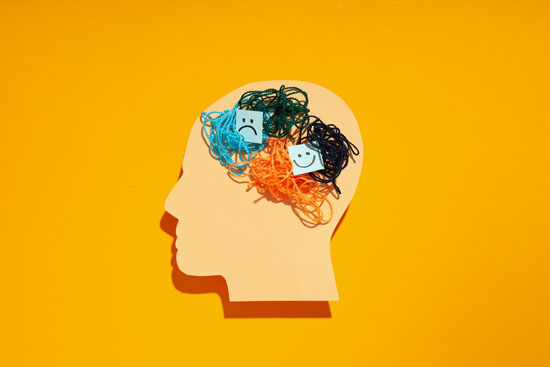
A paper cutout of a head with balls of yarn and happy and sad faces in the brain to represent bipolar disorder

Differential diagnosis is the process of distinguishing one disorder from others with similar symptoms. For instance, individuals who are initially diagnosed with depression may later exhibit symptoms of bipolar disorder, like Erez. This is why differential diagnosis is important, especially when manic or hypomanic episodes are subtle or delayed.

Key challenges include:

  • overlapping symptoms (e.g., fatigue, sleep changes, irritability)
  • delayed onset of manic symptoms
  • misinterpretation of elevated mood as recovery
  • stigma or reluctance to report impulsive behavior

Clinicians must use careful observation, patient history, and standardized tools to make accurate diagnoses. Treatment plans also need flexibility, as evolving symptoms may require adjustments in medication and therapeutic approach.

2. On Your Own

Determine whether the following statement is true or false.

Mood disorders can be difficult to diagnose because symptoms may evolve over time.

Erez's Turning Point

A pebble statue with rocks stacked on top of each other

With support from his therapist and psychiatrist, Erez began to stabilize. He learned to monitor his sleep, manage stress, and avoid triggers that could lead to mood swings.

He also joined a campus mental health advocacy group, where he shared his story. "I thought I was just burned out," he said. "But it was more than that. Getting the right diagnosis changed everything."

Erez still faced challenges, but he felt empowered by knowledge and support. "It's not about labeling," he told his friends. "It's more important to understand what's happening and learn how to manage it."

3. On Your Own

What are common challenges in diagnosing mood disorders? Select the three that apply.

Reflect & Respond

Answer the following questions to reflect on key ideas from the case study. Remember to print your work before leaving this page!

  1. What is differential diagnosis, and why is it important in mental health treatment?
  2. Why is it important to monitor symptoms over time when diagnosing mood disorders?
  3. How can misdiagnosis affect treatment and recovery?
  4. What role does stigma play in reporting symptoms like impulsivity or elevated mood?
  5. How can clinicians and patients work together to ensure accurate diagnosis and effective care?

References

Mahesh, S., Hemalata, K., & Gupta, A. (2024). Factors affecting psychological well-being, depression, anxiety, and stress among dental students in Delhi and the National Capital Region: A cross-sectional study. Cureus, 16(9), Article e70474. https://doi.org/10.7759/cureus.70474
This is an open-access article distributed under the terms of the Creative Commons Attribution 4.0 International License (CC-BY 4.0).

Psych2Go. (2020, July 18). Bipolar disorder VS depression [Video]. YouTube. https://youtu.be/a5l5BD-ibWQ?si=qDiFKncCL7Dumz4G

Photo Credits

Monkey Business on Adobe Stock. "Overhead View Of Teenage Hacker Sitting In Front Of Computer Screens Bypassing Cyber Security."

Atlas on Adobe Stock. "Mental disorders concept - composition for Bipolar disorder."

peter gueth on Adobe Stock. "stack of pebbles balance harmony zen - ocean or sea shore, refreshing blue waves summer, beach."