Stress in the Syllabus


Chapter 14: Stress, Lifestyle, and Health

Learning Outcomes

  • Describe the physiological and psychological effects of academic stress
  • Identify common coping mechanisms used by college students
  • Apply psychological reasoning to real-world situations involving stress and health

Key Terms

coping
mental or behavioral efforts used to manage problems relating to stress, including its cause and the unpleasant feelings and emotions it produces
relaxation response technique
stress reduction technique combining elements of relaxation and meditation
stress
process whereby an individual perceives and responds to events that one appraises as overwhelming or threatening to one's well-being
stressors
environmental events that may be judged as threatening or demanding; stimuli that initiate the stress process

The Semester That Broke the Balance

Rumi, a college sophomore, was usually organized and motivated. She kept a color-coded planner, joined multiple academic clubs, and maintained a near-perfect GPA. But during midterms, things began to unravel.

She started skipping meals, sleeping less, and obsessively reworking assignments. "I feel like I'm constantly behind," she reported. "Even when I finish something, I'm already stressed about the next thing."

A person holds their head while leaning on a desk

Rumi's stress began affecting her health. She developed frequent headaches, felt constantly fatigued, and started experiencing anxiety before class. She was encouraged to visit the campus wellness center.

The counselor explained that Rumi was experiencing academic burnout, a form of chronic stress common among high-achieving students. Together, they explored coping mechanisms and stress management strategies.

Rumi learned to distinguish between problem-focused coping (like adjusting her study schedule) and emotion-focused coping (like journaling or practicing mindfulness). She also began attending weekly yoga sessions and joined a peer support group.

"I thought stress was just part of college," Rumi reflected. "But I didn't realize how much it was affecting my body and mind."

Over time, Rumi rebuilt her routine with healthier boundaries. She still cared about her grades, but she no longer let them define her worth.

1. On Your Own

What is an example of a stressor? Select the best answer.

The Pressure of Performance

A stack of textbooks and notebooks on a messy desk

Academic demands are one of the most significant stressors among college students. Students often report feeling overwhelmed by deadlines, exams, and expectations.

Common coping strategies include:

  • problem-focused coping, such as time management and seeking academic support
  • emotion-focused coping, such as relaxation techniques and social connection
  • avoidance coping, which may include procrastination or substance use

While some stress is normal, chronic academic stress can lead to burnout, anxiety, and physical health problems. Early intervention and campus resources play a key role in promoting student well-being.

2. On Your Own

Determine whether the following statement is true or false.

Academic burnout is a form of chronic stress that can lead to physical, emotional, and mental exhaustion.

<

Rumi's Reset

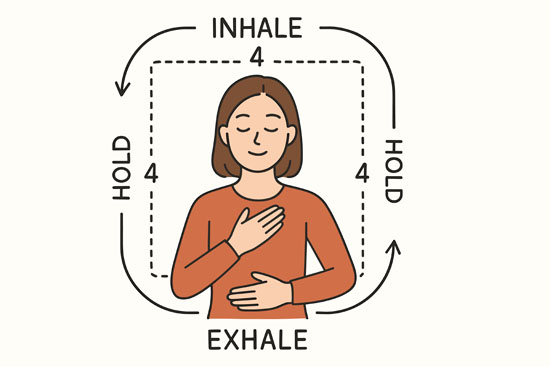
Rumi began using a planner not just for assignments but for self-care. She scheduled breaks, meals, and time with friends. She also practiced breathing exercises before exams and reflected on her progress in a journal. Rumi still felt pressure, but she no longer let it consume her.

3. On Your Own

What are common effects of academic stress? Select the three that apply.

Explore the Concept

Check out this short video to learn some stress-management tips.

A stack of textbooks and notebooks on a messy desk

Reflect & Respond

Answer the following questions to reflect on key ideas from the case study. Remember to print your work before leaving this page!

  1. What are the differences between problem-focused and emotion-focused coping?
  2. Why is avoidance coping often less effective in managing academic stress?
  3. How can academic stress affect physical health?
  4. What role do campus resources play in helping students manage stress?
  5. Reflect on your own coping strategies. Which ones help you most during stressful times?

References

BBC. (2010, July 14). Managing stress - Brainsmart - BBC [Video]. YouTube. https://youtu.be/hnpQrMqDoqE?si=HUJIIcPz0UoaBKz7

Peach, E. (2023). Creative mental health literacy practices: A qualitative study exploring how students use literacy to promote wellbeing and manage mental health conditions while at university. International Journal of Environmental Research and Public Health, 20(15), Article 6475. https://doi.org/10.3390/ijerph20156475
This is an open-access article distributed under the terms of the Creative Commons Attribution 4.0 International License (CC-BY 4.0).

Photo Credits

Gorodenkoff on Adobe Stock. "University Library: Exhausted and Tired Black Girl uses Laptop, Writes Essay, Study for Class Assignment. Students Learning, Studying for Exams College. Side View Portrait with Bookshelves."

Ibad on Adobe Stock. "A pile of textbooks and notebooks on a student desk."

Ciara on Adobe Stock. "Box breathing exercise guide. Woman practicing square breathing for relaxation. Inhale, hold, exhale. Mindfulness technique for stress and anxiety relief. Mental health concept."