The Personality Puzzle
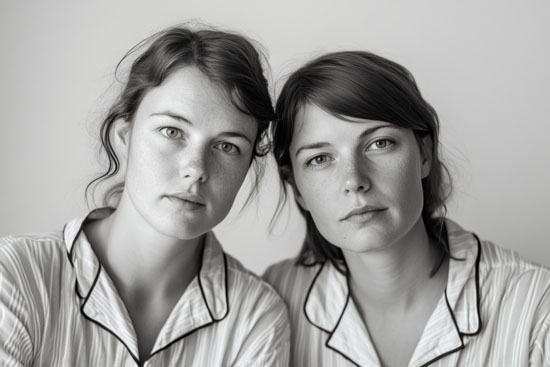
Bennett, a first-year psychology major, had always been curious about what made people tick. After taking the Big Five personality inventory in class, they were surprised by their results: high in openness and agreeableness but low in extroversion. What puzzled Bennett most was how different their results were from their twin sibling, Taylor, who was outgoing, assertive, and often the center of attention.
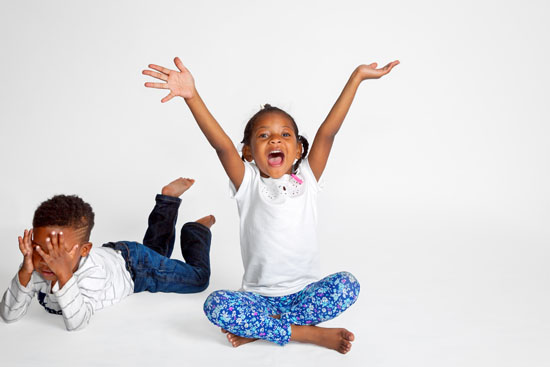
"We grew up in the same house, went to the same schools, and had the same parents," Bennett said during a class discussion. "So why are we so different?"
Their professor introduced the concept of behavioral genetics, explaining how twin studies have shown that personality traits are influenced by both genetic factors and environmental influences. Bennett learned that while identical twins share the same DNA, their personalities can still diverge due to differences in experiences, peer groups, and even birth order.
Bennett began reflecting on their own upbringing. Taylor had always been more involved in sports and social clubs, while Bennett preferred books and quiet hobbies. Even though they shared a home, their environments—defined by choices, interactions, and opportunities—had shaped them in unique ways.
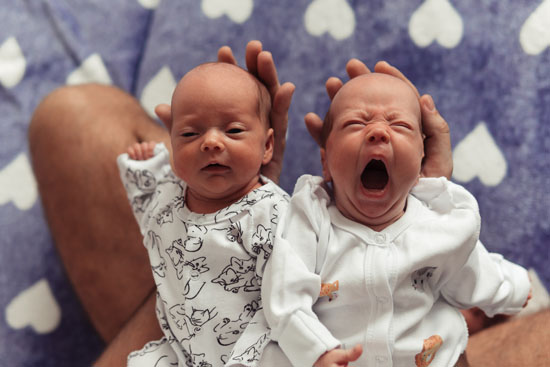
The class also discussed temperament, the biologically based tendencies that appear early in life. Bennett remembered being described as a "quiet baby," while Taylor was "always on the move." These early traits, shaped by both nature and nurture, had evolved into distinct personalities.
"I used to think personality was fixed," Bennett said. "But maybe it's more like a sketch, where some of the lines are inherited, but the colors come from life."